
Browse by family
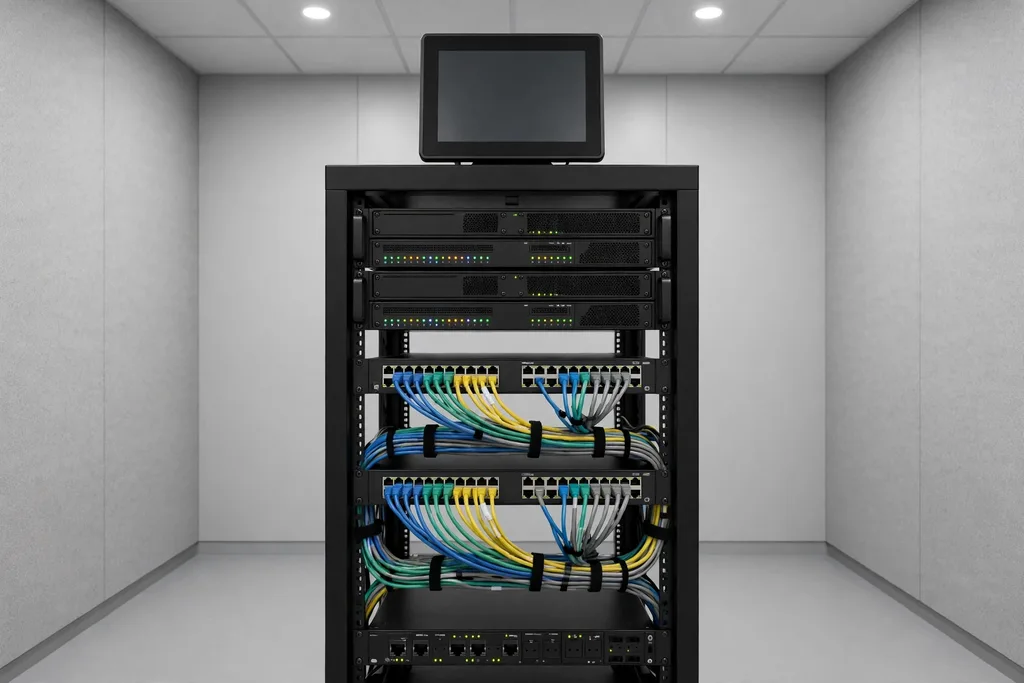
Public Address Systems
Complete broadcast systems, from network IP builds to intelligent zoned systems.
IP Public Address Systems
Network public address equipment that runs announcements over the building network.
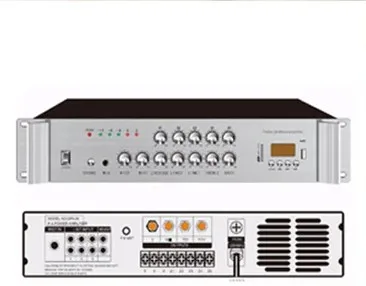
Public Address Amplifiers
Rack-mount amplifier series for broadcast and venue sound.
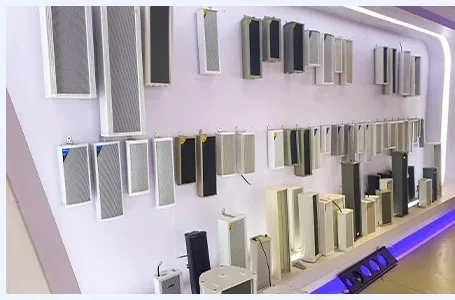
PA Speakers
Column, ceiling, wall, garden and horn loudspeakers for installed systems.
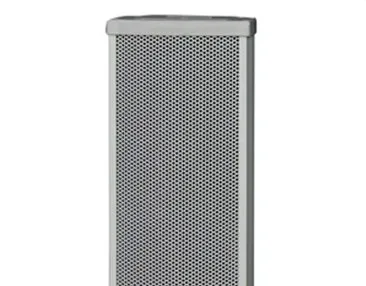
Column Speakers
Slim aluminium columns, including the waterproof outdoor series.
Central Control Systems
Control hosts, peripherals and matrices that tie a venue's systems together.
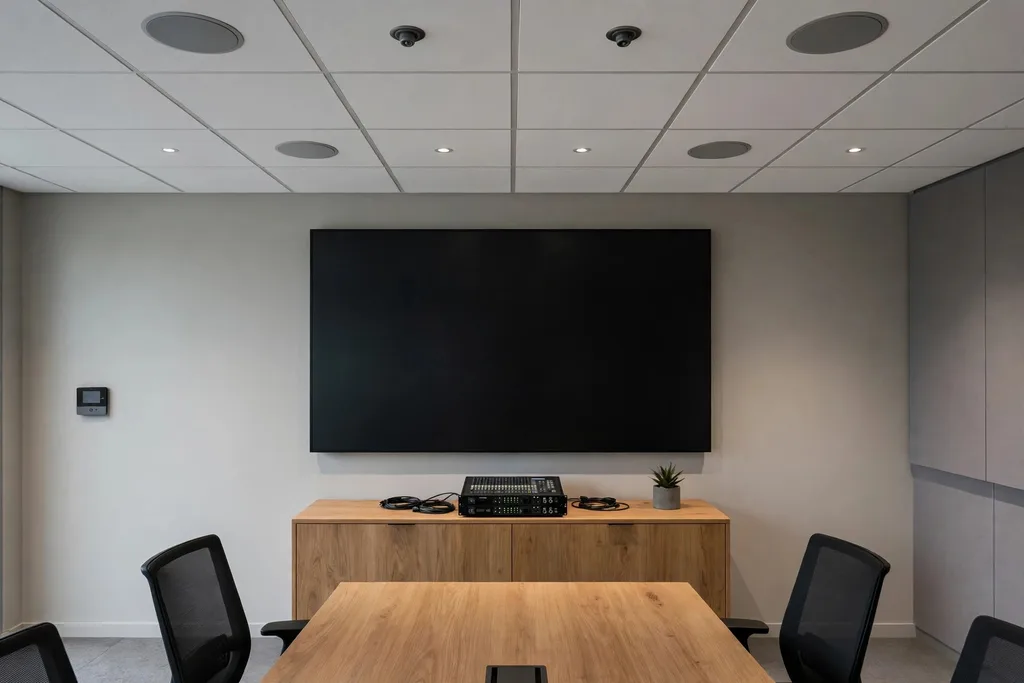
Conference Systems
Conference audio at category level, planned around the room and the table.
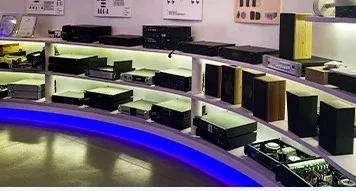
PA Equipment
The full equipment index: systems, amplifiers, speakers and control gear.
Start from the system, then the parts
Most inquiries arrive in one of two shapes. The first is a system: a school, hospital, industrial park, scenic area or group of villages that needs announcements, scheduled bells or background music across a whole site, planned as zones with a control point and the right loudspeaker type in each area. The second is equipment: amplifiers, speakers and control units ordered by family to complete a project designed elsewhere. Both shapes are served from the same catalogue, and the pages on this site are organised so a buyer can start from either end — the system pages for sectors and architectures, the family pages for the hardware itself.
The range is a manufacturer's range, developed and produced in-house rather than assembled from other factories' catalogues. That matters most when a project mixes families: an IP host feeding zoned amplifiers, ceiling speakers in corridors and waterproof columns outdoors, all specified against one another instead of matched on site by trial. Where a project needs the equipment adapted, OEM and ODM production is offered alongside the catalogue range, and the custom systems page explains what to put in that kind of inquiry.
Five settings this catalogue is built around
The company's published solution sectors are education, hospitals and medical sites, industrial parks, scenic and cultural tourism areas, and townships and villages. Each sector has its own page here, written around the announcement patterns that setting actually runs: bell schedules and classroom zoning in schools, quiet ward-aware paging in hospitals, interference-resistant coverage across a factory park, weatherproof sound along paths and waterfronts, and village-wide broadcast across settlements that no single wired system could reach economically.
- Schools and campuses: zoned announcements and timed bells
- Hospitals: paging that respects quiet areas
- Industrial parks: coverage across noisy, spread-out sites
- Scenic areas: sound along paths, squares and waterfronts
- Townships and villages: one control point, many settlements
How orders are put together
Orders are built from an item list: the families and models the buyer has selected, the quantities per item, and the destination market. Buyers who already hold a design can send it as it stands; buyers at sketch stage can describe the site — its areas, approximate sizes and the announcements it must carry — and ask for the equipment to be sorted into a system list. The contact page sets out what to include so the first message already carries what a quotation needs.
What a complete quote comes back with
A complete inquiry is answered with a quotation against the items asked for: the exact units proposed for each line of the list, the quantities as stated, and the points that still need settling marked as questions rather than silently assumed. Where an inquiry describes a site instead of a finished list, the answer first sorts the site into zones and equipment families, so the buyer sees the shape of the system being quoted before the individual units. Either way the reply is written to be checked: a designer can compare it line by line against their own schedule, and a buyer without a design can see what each part of the system is for.
Buyers comparing quotations across suppliers will find the family and specification pages here useful even before they inquire: they set out, family by family, what separates one variant from another — which amplifier behaviour suits which duty, which speaker pattern suits which ground — in the terms a comparison needs. Where two of our own pages disagree with a figure in a buyer's schedule, the figure to trust is the one confirmed in the quotation reply, and the inquiry is the place to raise the discrepancy.
Reading the range before you inquire
The catalogue is arranged so a buyer can build confidence in stages. The system pages describe complete architectures — network, intelligent and conventional — for buyers planning whole sites. The family pages go deep on one kind of equipment at a time, for buyers who know their architecture and are choosing hardware. The sector pages translate between the two, starting from a setting's announcement patterns and ending at the families those patterns call for. The guides on the blog work single decisions through in project order: zoning a school, checking an amplifier order, choosing between column and ceiling coverage.
- Planning a whole site: start with the system pages
- Choosing hardware: go straight to the family pages
- Starting from your setting: open the matching sector page
- Working one decision through: read the matching guide
Why buyers standardise on one range
Installers and distributors who return to this catalogue usually give the same reason: consistency across a project and across projects. Amplifiers, speakers and control units from one range are specified against each other, spares and replacements follow the same families year after year, and a team that has installed the range once carries that familiarity to the next site. Standardising does not narrow a buyer's choices — the families here cover network and conventional architectures, indoor and outdoor duty, and everything from a single hall to a township — it narrows the surprises, which is what project work actually rewards.
A note on quantities and destination
Two fields in the inquiry do more work than all the others: the quantities and the destination market. Quantities turn a family's description into a production and packing plan — the difference between a quotation that assumes and one that commits. The destination market tells the manufacturer which documentation, voltage conventions and packing expectations the order travels with, and lets those be settled in the quotation instead of discovered at the dock. Buyers in a hurry should still complete those two fields before any other; an inquiry carrying them can be answered fully, while a longer inquiry missing them can only be answered with questions.
Buyers who prefer to begin from a single family can do that too: every family page stands on its own, with its own specification checklist and its own route back to the inquiry form. The system pages and the family pages meet in the middle — the sector guides — for buyers who start from a school, a hospital, a park, a scenic area or a group of villages rather than from equipment at all. However the reading starts, it converges on the same first message: the item list, the quantities, and the destination market.
Guides from the blog
- IP PA systems for schools — Zoning, bell schedules and announcements on the campus network.
- Choosing column speakers for outdoor broadcast areas — What decides coverage along paths, squares and waterfronts.
- What buyers confirm before ordering a PA amplifier — The checks that keep an amplifier order matched to the venue.
- PA paging in hospitals — Running announcements over the building network without disturbing wards.
- Village broadcast systems — Covering dispersed settlements from one control point.
- Mixing amplifier or power amplifier — Matching the amplifier type to the venue and the source list.
Related pages
Send an inquiry
Send the item list for your project — families, models and quantities, or a description of the site if the list is still taking shape.